
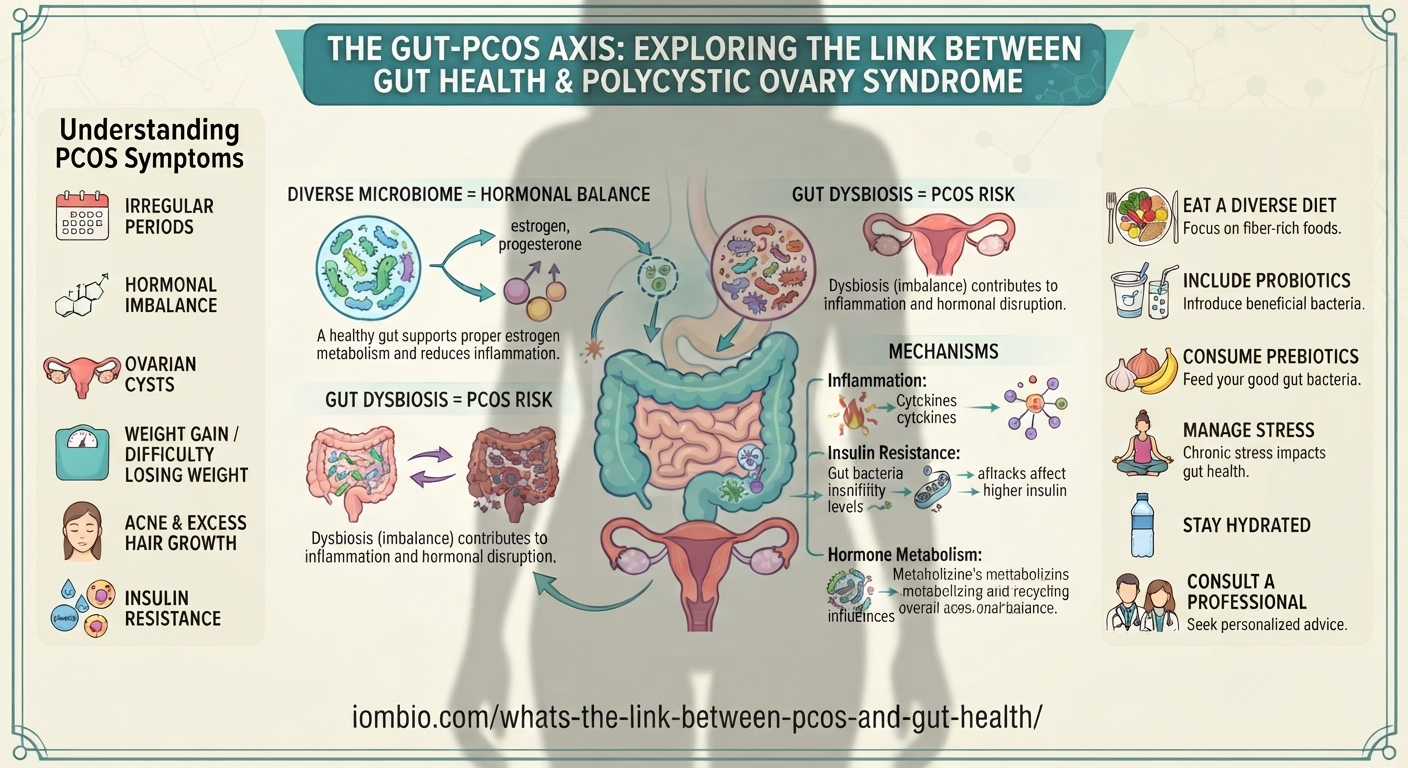
For women with Polycystic Ovary Syndrome (PCOS), now referred to as Polyendocrine Metabolic Ovarian Syndrome (PMOS), the journey to relief can be long and arduous, with symptoms often being managed rather than cured, and therapy options limited. PMOS/PCOS is a complex condition characterized by insulin resistance, chronic low-grade inflammation, hormonal imbalance, weight gain, and metabolic disturbances, many of which can persist despite conventional management approaches. Emerging evidence suggests that an often-overlooked contributor to these symptoms is gut dysbiosis and how it contributes to the development of PMOS/PCOS symptoms.
Understanding PMOS/PCOS: A Complex Interplay of Hormones and Gut Health
For women with Polyendocrine Metabolic Ovarian Syndrome (PMOS), formerly known as Polycystic Ovary Syndrome (PCOS), the journey to relief can be long and arduous, with symptoms often being managed rather than cured, and therapy options limited. The PMOS/PCOS microbiome connection is a crucial aspect of this condition, with emerging evidence suggesting that gut dysbiosis plays a significant role in the development of PMOS/PCOS symptoms. By understanding the complex interplay between hormones and gut health, women with PMOS/PCOS can take the first step towards relief.
Understanding PMOS/PCOS: A Complex Interplay of Hormones and Gut Health
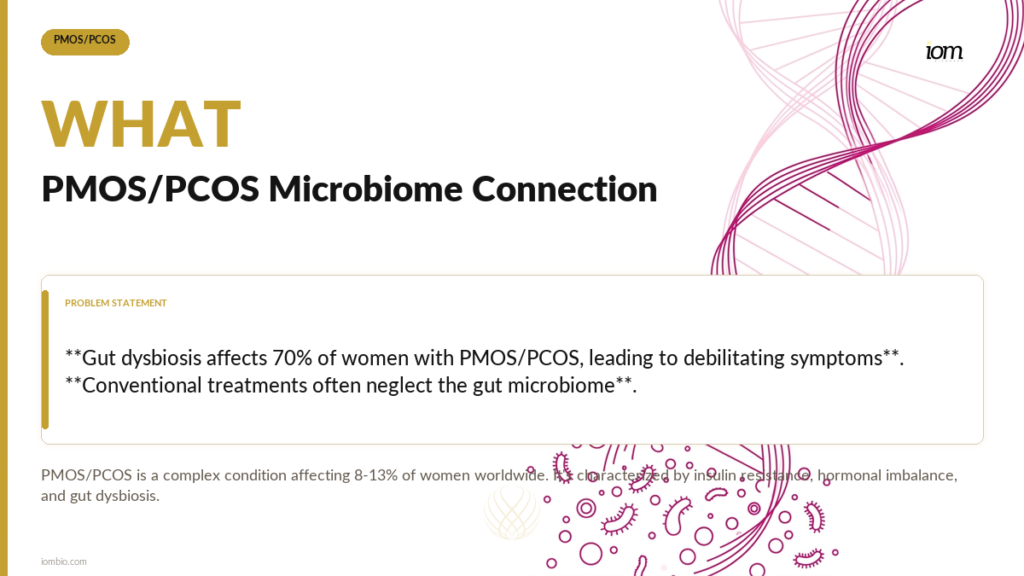
PCOS is one of the most common hormone disorders in women of reproductive age, affecting roughly 8–13% of women worldwide, depending on how it’s diagnosed. In India, PCOS prevalence rates seem even higher, with the actual percentage estimated at nearly 1 in 10 women. This condition is characterized by a range of symptoms, including irregular menstrual cycles, weight gain, and hyperandrogenism. Insulin resistance and hormonal imbalance are common features of PMOS/PCOS, with up to 70% of women with the condition exhibiting some degree of insulin resistance. The exact causes of PMOS/PCOS are still not fully understood, but research suggests that a combination of genetic, environmental, lifestyle, and hormonal factors contribute to its development.
The Role of Genetics in PMOS/PCOS
Genetic factors play a significant role in the development of PMOS/PCOS, with several genes implicated in the condition. However, the exact mechanisms by which these genes contribute to PMOS/PCOS are still not fully understood. Further research is needed to uncover the complex interactions between genetic and environmental factors in the development of PMOS/PCOS.
The Impact of Lifestyle Factors on PMOS/PCOS
Lifestyle factors, such as diet and exercise, also play a crucial role in the development and management of PMOS/PCOS. A healthy diet and regular exercise can help alleviate symptoms, while a sedentary lifestyle and unhealthy diet can exacerbate them. Understanding the impact of lifestyle factors on PMOS/PCOS can help women with the condition make informed decisions about their health.
The Devastating Impact of Gut Dysbiosis on PMOS/PCOS Symptoms
Gut dysbiosis has a profound impact on PMOS/PCOS symptoms, with reduced microbial diversity and a disturbed F/B balance contributing to insulin resistance, inflammation, and hormonal imbalance. Furthermore, the altered gut microbiome can affect bile acid metabolism, leading to changes in the recycling of bile acids and the production of secondary bile acids. These changes can, in turn, affect the estrobolome, leading to altered estrogen metabolism and contributing to symptoms such as hormonal imbalance. The prevalence of gut dysbiosis in PMOS/PCOS is estimated to be around 70%, highlighting the need for effective PMOS/PCOS therapy that targets the gut microbiome.
The Mechanisms of Gut Dysbiosis in PMOS/PCOS
The mechanisms by which gut dysbiosis contributes to PMOS/PCOS symptoms are complex and multifaceted. Research has shown that specific gut bacteria, such as Bacteroides vulgatus, play a critical role in bile acid metabolism and the recycling of estrogen. The altered gut microbiome in PMOS/PCOS can lead to changes in the expression of genes involved in bile acid synthesis and transport, resulting in altered bile acid profiles.
Uncovering the Unique Aspect of PMOS/PCOS: The Interplay Between Gut Dysbiosis, Bile Acid Metabolism, and the Estrobolome
The interplay between gut dysbiosis, bile acid metabolism, and the estrobolome is a unique aspect of PMOS/PCOS. Research has shown that the gut microbiome plays a critical role in the regulation of estrogen metabolism, with specific gut bacteria influencing the activity of enzymes involved in estrogen recycling. The estrobolome, which refers to the collective group of genes and enzymes involved in estrogen metabolism, is also affected by the gut microbiome. Understanding the complex interplay between the gut microbiome, bile acid metabolism, and the estrobolome can provide valuable insights into the development of PMOS/PCOS symptoms.
The Role of the Estrobolome in PMOS/PCOS
The estrobolome plays a crucial role in the development of PMOS/PCOS symptoms, with alterations in estrogen metabolism contributing to hormonal imbalance and other symptoms. Research has shown that the gut microbiome influences the activity of enzymes involved in estrogen recycling, such as beta-glucuronidase. Understanding the role of the estrobolome in PMOS/PCOS can provide valuable insights into the development of effective therapies.
A New Approach to PMOS/PCOS Therapy: Targeting the Gut
The results of targeting the gut microbiome in PMOS/PCOS therapy are promising. Studies have shown that gut-directed therapies can lead to significant improvements in insulin sensitivity, hormonal balance, and overall well-being. A randomized, double-blind, placebo-controlled trial in 75 overweight/obese women with PCOS found that inulin supplementation (10 g/day for 12 weeks) significantly improved insulin sensitivity, reduced body weight and triglycerides, and improved androgen-related markers compared with placebo.
The Benefits of Gut-Directed Therapies
Gut-directed therapies offer several benefits for women with PMOS/PCOS, including improved insulin sensitivity, hormonal balance, and overall well-being. These therapies can also help alleviate symptoms such as bloating, abdominal pain, and diarrhea. By targeting the gut microbiome, women with PMOS/PCOS can experience transformative improvements in their health and quality of life.
Lessons for Managing PMOS/PCOS Symptoms: A Holistic Approach
Managing PMOS/PCOS symptoms requires a holistic approach that incorporates diet, lifestyle, and gut health. Some key lessons for managing PMOS/PCOS symptoms include:
- Dietary changes, such as increasing fiber intake and reducing sugar consumption, can help promote a healthy gut microbiome.
- Stress management techniques, such as yoga and meditation, can help reduce inflammation and improve hormonal balance.
- Maintaining a healthy weight, getting regular exercise, and getting enough sleep are all critical components of a holistic approach to managing PMOS/PCOS symptoms.
- Regular monitoring of hormone levels, glucose metabolism, and gut health, as well as ongoing support and guidance from a healthcare provider, are essential for effective PMOS/PCOS management.
Take the First Step Towards PMOS/PCOS Relief
If you are experiencing symptoms of PMOS/PCOS, it is essential to take the first step towards relief by consulting a healthcare professional. A healthcare provider can help you develop a personalized treatment plan that addresses your unique needs and health status. By working with a healthcare provider and taking a holistic approach to managing PMOS/PCOS symptoms, you can experience transformative improvements in your health and quality of life. Don’t wait – take the first step towards PMOS/PCOS relief today and explore the potential of PMOS/PCOS therapy options.
References
Unraveling the gut microbiota’s role in PCOS: a new frontier in metabolic health