
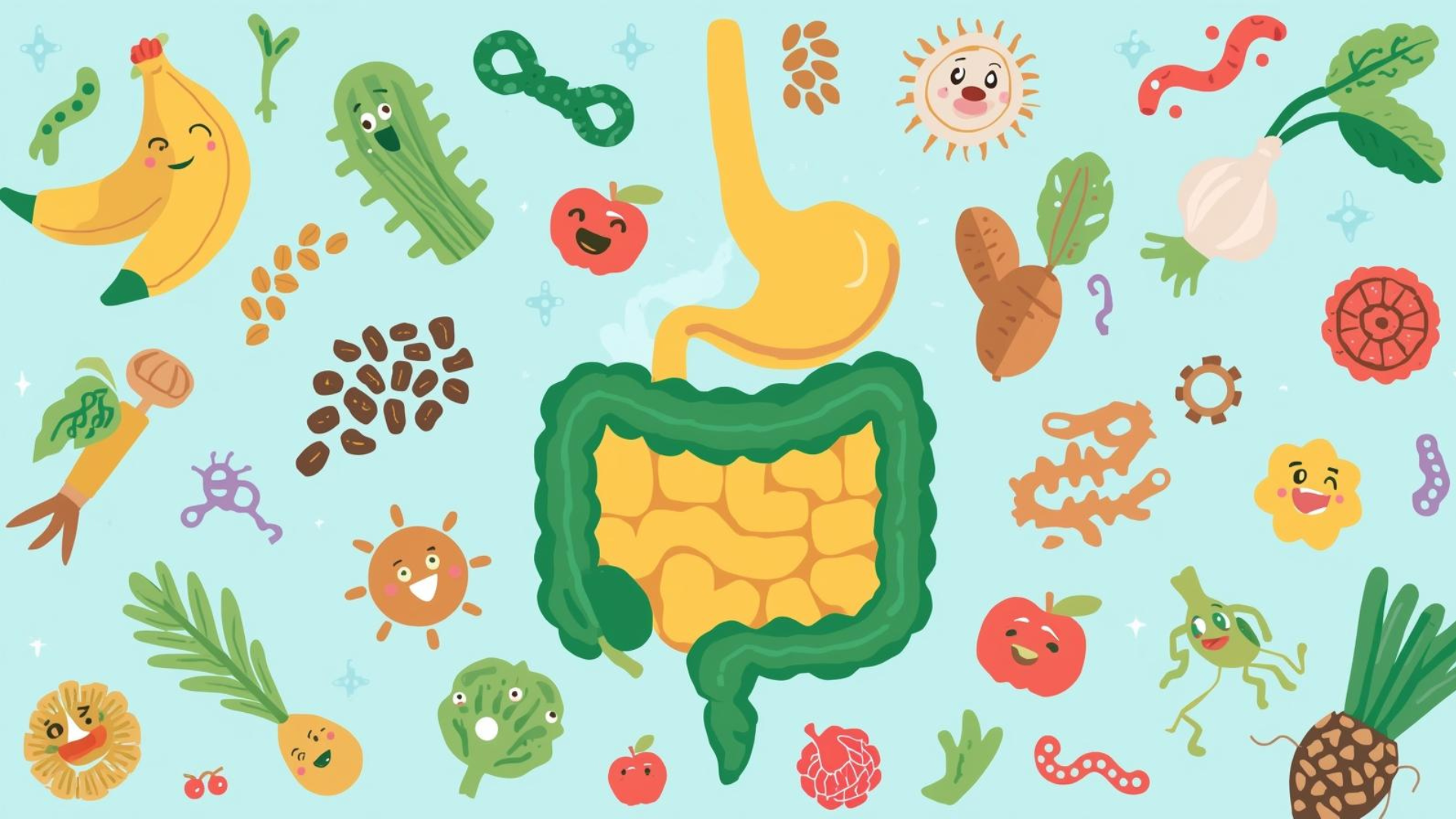
Prebiotics are the unsung heroes of the gut health world, playing a crucial role in feeding the good bacteria that keep our digestive systems thriving. But what exactly are prebiotics, and how do they differ from probiotics? In this post, we’ll delve into the world of prebiotics, exploring what they are, why they’re essential, and how you can incorporate them into your daily life to support a healthy gut ecosystem
Introduction to Prebiotics
Prebiotics are types of dietary fiber and other plant compounds that our bodies don’t fully digest. Instead, they travel to the lower gut, where they become food for beneficial gut bacteria. In short, probiotics are the living microbes, while prebiotics are their food. Together, they help keep our gut community balanced and functioning properly. By understanding the importance of prebiotics, you can take the first step towards creating a thriving gut ecosystem that supports your overall health and wellbeing.
Why Prebiotics Matter
Researchers are still learning about the benefits of prebiotics, but systematic evidence and expert summaries show that they can support several aspects of health by improving the mix of gut bacteria. Some benefits linked to higher prebiotic intake include:
- Complementing immune health: because much of the immune system lives near the gut, a healthier microbiome can help the body’s general defenses function better.
- Better digestive comfort and bowel regularity: prebiotics help feed bacteria that make short-chain fatty acids, which support healthy gut lining and regularity.
- Support for mineral absorption: certain prebiotic fibers can help your body absorb calcium and other minerals.
- Helping blood sugar control and appetite: emerging studies suggest prebiotic-rich foods may support steadier blood sugar and even influence food cravings.
Why Your Body Actually Needs Them
The benefits of prebiotics go way beyond just “good for digestion.” Research shows they can help with:
- Stronger immune function (about 70% of your immune system lives in your gut)
- Reduced inflammation throughout your body
- Improved blood sugar control (your pancreas will thank you)
- Better appetite regulation (they might even help you make healthier food choices)
- Improved bowel regularity (no more awkward conversations about constipation)
- Better calcium absorption (hello, stronger bones!)
Some studies even suggest that eating prebiotic-rich foods might influence your brain’s reward system, making you less likely to crave high-calorie junk food. Pretty wild, right?
Prebiotics vs. Probiotics: What’s the Difference?
Think of your gut like a garden. Probiotics are like planting live seedlings (beneficial bacteria), while prebiotics are the compost and fertilizer — they feed the plants so they grow and crowd out weeds [Citation Needed]. You can use both together (foods or supplements), but they’re different things and both useful. Understanding the difference between prebiotics and probiotics can help you create a comprehensive gut health plan that addresses your unique needs.
Everyday Foods that are Naturally Rich in Prebiotics
You don’t need special powders to get prebiotics. Many common, affordable foods are great sources:
- Onions, garlic, leeks: tasty and versatile in cooking.
- Bananas (especially slightly green), asparagus, and Jerusalem artichoke.
- Whole grains and wheat products: contain prebiotic fibers.
- Legumes and soybeans: hearty sources for plant-based diets.
- Root vegetables and some fruits: many high-fiber plants contain prebiotic compounds.
Common Myths — and the Simple Truth
Myth: “Prebiotics are the same as probiotics.” — False.
Probiotics are live organisms; prebiotics are the fibers that feed them. This myth can lead to confusion and misunderstandings about the role of prebiotics in gut health.
Myth: “You need supplements to get benefits.” — Not necessarily.
Many people get useful amounts from a varied, plant-forward diet. While supplements can be helpful, they shouldn’t be relied upon as the sole source of prebiotics.
Myth: “Prebiotics are only for people with gut issues.” — No
They’re helpful for general gut maintenance and are appropriate for many healthy adults . However, those with certain digestive conditions may need tailored advice from a healthcare professional.
Who Should be Careful?
Most adults can try increasing prebiotic foods, but some people should be cautious:
- People with IBS (irritable bowel syndrome), especially gas- and diarrhea-predominant types, may be sensitive to certain fermentable fibers and might need an individualized approach.
- Anyone with severe digestive conditions or recent major illness should check with their healthcare team before starting supplements or big diet shifts.
- If symptoms like severe bloating, pain, or changes in bowel habits appear after increasing fiber, pause and consult a clinician or registered dietitian.
Adding Prebiotics to Your Diet
Incorporating prebiotics into your daily life can be simple and delicious. Try adding a clove of garlic to your stir-fry, tossing chickpeas into salad, or choosing whole-grain bread . You can also experiment with new recipes that feature prebiotic-rich foods as the main ingredient.
Conclusion
In conclusion, prebiotics are a vital component of a healthy gut ecosystem. By understanding what prebiotics are, why they’re essential, and how to incorporate them into your diet, you can take the first step towards creating a thriving gut community that supports your overall health and wellbeing. Remember to always consult with a healthcare professional before making significant changes to your diet or supplement routine.
To learn more about prebiotics and how to support your gut health, visit our website at iombio.com. Our team is dedicated to providing you with the latest research and expert advice on gut health and wellness. Contact us at better@iombio.com to learn more about our products and services.