
Explore the science behind your gut microbiome, understand how testing works, and discover the powerful connection between your gut and overall health. Science-backed education from the experts at IOM Bio.
Understanding the trillions of microorganisms that call your digestive system home.
The gut microbiome refers to the vast community of trillions of microorganisms—including bacteria, viruses, fungi, and other microscopic life forms—that reside in your digestive tract. This complex ecosystem, weighing approximately 2 kilograms, is sometimes referred to as your “second brain” due to its profound influence on overall health.
Your microbiome is as unique as your fingerprint, shaped by factors including your birth method, early diet, antibiotic exposure, lifestyle, and environment. The majority of these microorganisms live in your large intestine, where they perform essential functions that your body cannot do on its own.
These microscopic inhabitants aren’t just passive residents—they actively participate in digestion, produce essential vitamins like B12 and K, train your immune system, and even influence your mood & mental health through the gut-brain axis.
Key Takeaways
Think of your gut as a rainforest—the more diverse the species, the healthier and more resilient the ecosystem. A healthy gut microbiome typically contains 500-1,000 different species of bacteria, with beneficial species far outnumbering potentially harmful ones.
Key Takeaways
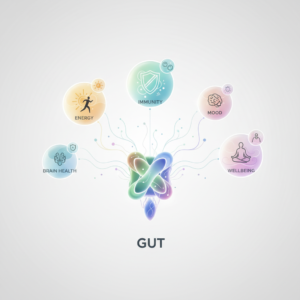
Your gut health influences far more than just digestion. Research has revealed that the gut microbiome plays a central role in:
Key Takeaways
Modern gut microbiome testing uses advanced DNA sequencing technology to identify and quantify the microorganisms living in your digestive system. Here’s how the process typically works:
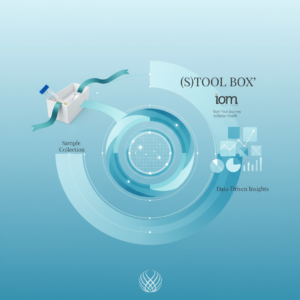
Sample Collection: You collect a small stool sample at home using a provided kit. The sample contains genetic material from the billions of microorganisms in your gut.
DNA Extraction & Sequencing: In the laboratory, microbial DNA is extracted from your sample. Using technologies like 16S rRNA gene sequencing or shotgun metagenomics, scientists identify which species are present and in what quantities.
Bioinformatics Analysis: Sophisticated algorithms compare your microbial DNA against extensive databases to identify species and assess their functional capabilities.
Report Generation: Your results are compiled into an easy-to-understand report showing your microbial composition, diversity scores, and personalized recommendations based on the latest research.
Key Takeaways
While anyone curious about their gut health can benefit from microbiome testing, certain individuals may find it particularly valuable:

Those with Digestive Issues: If you experience bloating, gas, irregular bowel movements, or unexplained digestive discomfort, testing can reveal underlying imbalances.
People with Chronic Conditions: Conditions like IBS, autoimmune disorders, skin problems, or mood disorders often have gut health connections worth exploring.
Those on Restricted Diets: Vegetarians, vegans, or those eliminating food groups can benefit from checking if their diet supports a healthy microbiome.
Health Optimizers: Athletes, biohackers, or anyone seeking to optimize their health can use microbiome data to fine-tune their nutrition and supplement regimens.
Post-Antibiotic Users: Antibiotics can significantly disrupt gut bacteria. Testing after antibiotic courses helps track recovery and guide restoration efforts.
Key Takeaways
A comprehensive gut microbiome test provides multiple layers of insight into your digestive health:

Microbial Diversity Score: A measure of how many different species are present. Higher diversity generally indicates better gut health and resilience.
Bacterial Composition: A breakdown of which bacterial groups dominate your gut and how they compare to healthy reference ranges.
Beneficial vs. Harmful Bacteria: Identification of health-promoting bacteria (like Bifidobacteria and Lactobacillus) and potentially problematic species.
Functional Insights: Understanding what your microbiome is capable of—such as producing vitamins, breaking down fiber, or synthesizing neurotransmitters.
Personalized Recommendations: Based on your unique profile, you’ll receive dietary, lifestyle, and supplement suggestions to address specific imbalances.
Key Takeaways
Exploring the powerful connection between your gut and your mind
The gut-brain axis is a bidirectional communication network linking your gastrointestinal tract with your central nervous system. This complex system involves:

The Vagus Nerve: The longest cranial nerve, running from your brainstem to your abdomen, serves as the primary information highway between gut and brain.
Neurotransmitter Production: Your gut bacteria produce neurotransmitters including serotonin (95% is made in the gut), dopamine, and GABA—chemicals that directly influence mood and cognition.
The Enteric Nervous System: Often called the “second brain,” this network of 500 million neurons in your gut wall operates semi-independently and communicates constantly with your brain.
Immune Signaling: Gut bacteria influence immune cells that produce cytokines—signaling molecules that can affect brain function and mood.
This connection explains why gut issues often accompany mental health conditions, and why emotions like stress or anxiety frequently manifest as digestive symptoms.
Key Takeaways
The relationship between gut health and stress is truly bidirectional—stress affects your gut, and your gut affects your stress response.
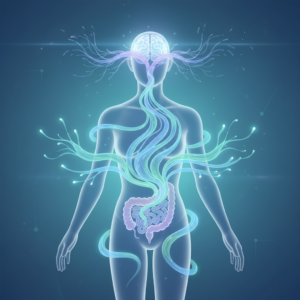
Stress’s Impact on the Gut: When you’re stressed, your body enters “fight or flight” mode, diverting resources away from digestion. Chronic stress can alter gut motility, increase intestinal permeability, change microbial composition, and increase inflammation.
The Gut’s Role in Stress Resilience: A healthy, diverse microbiome helps regulate the hypothalamic-pituitary-adrenal (HPA) axis—your body’s central stress response system. Certain beneficial bacteria produce compounds that have calming effects on the nervous system.
Breaking the Cycle: Studies show that improving gut health through diet, probiotics, and stress management can reduce cortisol levels and improve stress resilience. Conversely, managing stress through mindfulness and relaxation can improve gut function.
Key Takeaways
Emerging research reveals that gut bacteria play a significant role in mental health, leading to the exciting field of “psychobiotics”—microorganisms that benefit psychological health.

Depression & Anxiety: Studies have found distinct differences in the gut microbiomes of people with depression and anxiety compared to healthy controls. Certain bacterial species are consistently depleted in those with mood disorders.
The Inflammation Connection: An imbalanced gut can trigger systemic inflammation, which has been linked to depression. Inflammatory markers are often elevated in people with mood disorders.
Promising Research: Clinical trials have shown that certain probiotic strains can reduce symptoms of depression and anxiety. Fecal microbiota transplants have shown preliminary promise in treating depression.
Practical Applications: While we’re still learning, maintaining gut health through fiber-rich diets, fermented foods, stress management, and adequate sleep appears to support mental well-being.
Key Takeaways
Carabotti M, Scirocco A, Maselli MA, Severi C "The Gut-Brain Axis: Interactions Between Enteric Microbiota, Central and Enteric Nervous Systems." Annals of Gastroenterology (2015)
Cryan JF, et al. "The Microbiome-Gut-Brain Axis in Health and Disease." Physiological Reviews (2019)
Sarkar A, et al. "Psychobiotics and the Manipulation of Bacteria-Gut-Brain Signals." Trends in Neurosciences (2016)
Understanding how to nourish your gut microbiome through diet and supplements
Understanding the differences between these three “biotics” is essential for making informed choices about gut health:
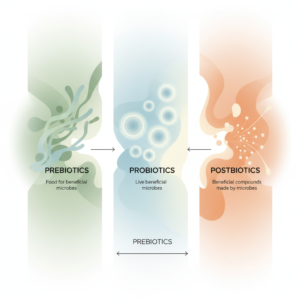
Probiotics: Live beneficial bacteria that you consume through fermented foods (yogurt, kimchi, sauerkraut) or supplements. They temporarily colonize your gut and provide health benefits while present.
Prebiotics: Non-digestible fibers that serve as food for your existing beneficial gut bacteria. Found in foods like onions, garlic, bananas, and chicory root, or as supplements like inulin and fructooligosaccharides (FOS). They help your own good bacteria thrive.
Postbiotics: Beneficial compounds produced by probiotic bacteria during fermentation. These include short-chain fatty acids (like butyrate), enzymes, vitamins, and antimicrobial peptides. They’re the “end products” that actually deliver many gut health benefits.
Key Insight: While probiotics are transient visitors, prebiotics help cultivate your existing microbial residents. Think of probiotics as guests and prebiotics as food for your permanent household.
Key Takeaways
Prebiotics work through a fascinating process called selective fermentation. Here’s how they benefit your gut:

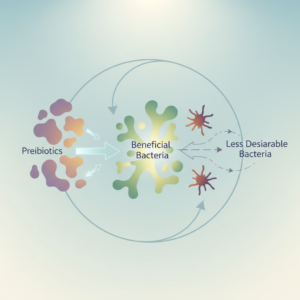
Selective Feeding: Prebiotic fibers pass through your upper digestive tract undigested. When they reach your colon, specific beneficial bacteria (particularly Bifidobacteria and Lactobacilli) ferment them as their preferred food source.
Short-Chain Fatty Acid Production: As beneficial bacteria ferment prebiotics, they produce short-chain fatty acids (SCFAs)—especially butyrate, propionate, and acetate. These SCFAs nourish colon cells, reduce inflammation, and support immune function.
Competitive Exclusion: By feeding beneficial bacteria, prebiotics help them multiply and outcompete potentially harmful bacteria for resources and attachment sites in your gut.
pH Regulation: Prebiotic fermentation produces acids that lower colonic pH, creating an environment that favors beneficial bacteria and inhibits pathogens.
Mineral Absorption: Prebiotics enhance the absorption of minerals like calcium and magnesium in the colon, supporting bone health.
Key Takeaways
Not all prebiotics are created equal. Understanding the different types can help you make the best choice for your needs:
Inulin: A long-chain fructan found in chicory root. Gentle on most digestive systems and well-researched. Great for beginners.
FOS (Fructooligosaccharides): Shorter-chain fructans that are rapidly fermented. Found in onions, bananas, and asparagus. May cause more gas initially.
GOS (Galactooligosaccharides): Similar to compounds in breast milk. Particularly beneficial for Bifidobacteria growth. Good for those who tolerate dairy.
Resistant Starch: Found in cooled potatoes, green bananas, and legumes. Fermented more slowly, causing less bloating. Excellent for butyrate production.
Tips for Success: – Start with small doses and increase gradually – Drink plenty of water – Expect some initial adjustment (gas, bloating) that typically resolves – Combine different types for maximum benefit – Consider your individual tolerance and health goals
Key Takeaways
Gibson GR, et al. "Expert consensus document: The International Scientific Association for Probiotics and Prebiotics (ISAPP) consensus statement on the definition and scope of prebiotics." Nature Reviews Gastroenterology & Hepatology (2017)
Holscher HD "Dietary fiber and prebiotics and the gastrointestinal microbiota." Gut Microbes (2017)
Salminen S, et al. "The International Scientific Association of Probiotics and Prebiotics (ISAPP) consensus statement on the definition and scope of postbiotics." Nature Reviews Gastroenterology & Hepatology (2021)
Take the first step towards better gut health. Discover which test is right for you, explore our prebiotics, or speak with an expert.