
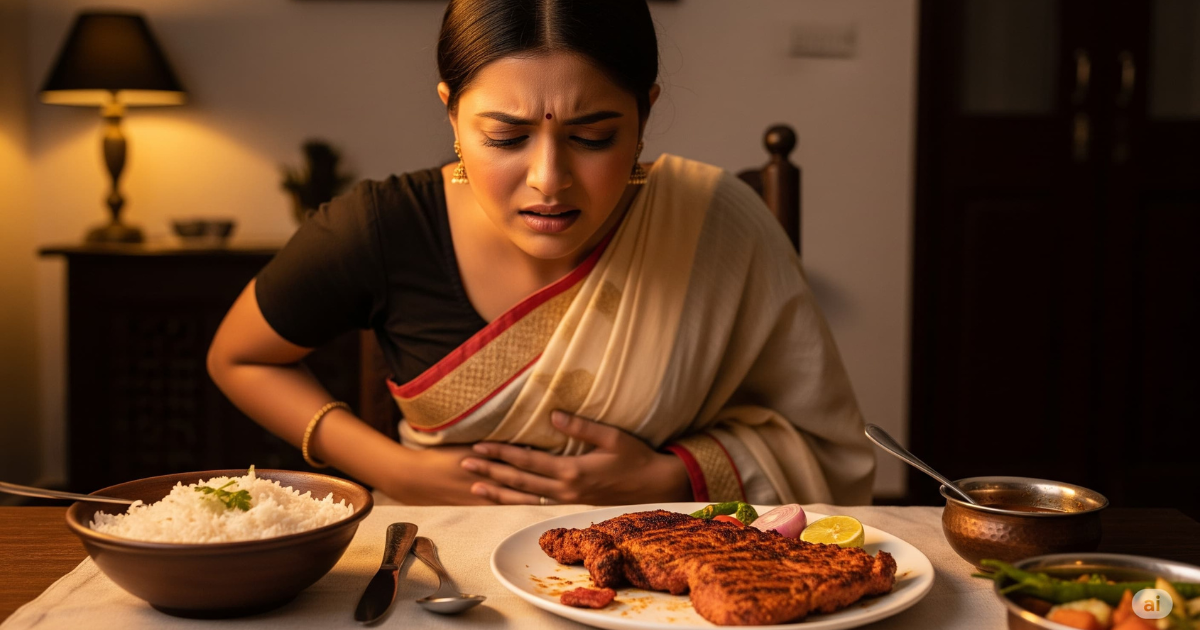
Is red meat harmful or helpful? The latest science says it depends. A new wave of personalized nutrition reframes the debate with nuance, gut health, and individual biology at the center.
Red meat has long sparked debate in the world of nutrition. Some experts warn it raises the risk of heart disease and cancer, while others argue it’s a key source of protein, iron, and vitamin B12. Recently, Professor Tim Spector, a leading scientist at King’s College London, questioned the growing call to completely cut out red meat, instead advocating for a more personalized and balanced perspective.
Nutrition science is evolving. Health isn’t about rigid food rules or labeling foods as “good” or “bad” — it’s about context, quantity, and how your body responds. New tools like IOM Biome use AI to track diets and gut health, helping people make smarter, more personalized choices. Meanwhile, researchers are calling for better studies — ones that move beyond correlations to truly understand how red meat impacts diverse individuals.
The bottom line? Red meat isn’t inherently “good” or “bad.” Its impact depends on how much you eat, your genetics, gut microbiome, and lifestyle. The emerging message is clear: balance, diversity, and personalization are key.
The Case Against Red Meat: Established Risks
For decades, public health campaigns have urged reduced red meat consumption, supported by strong evidence linking it to chronic disease.
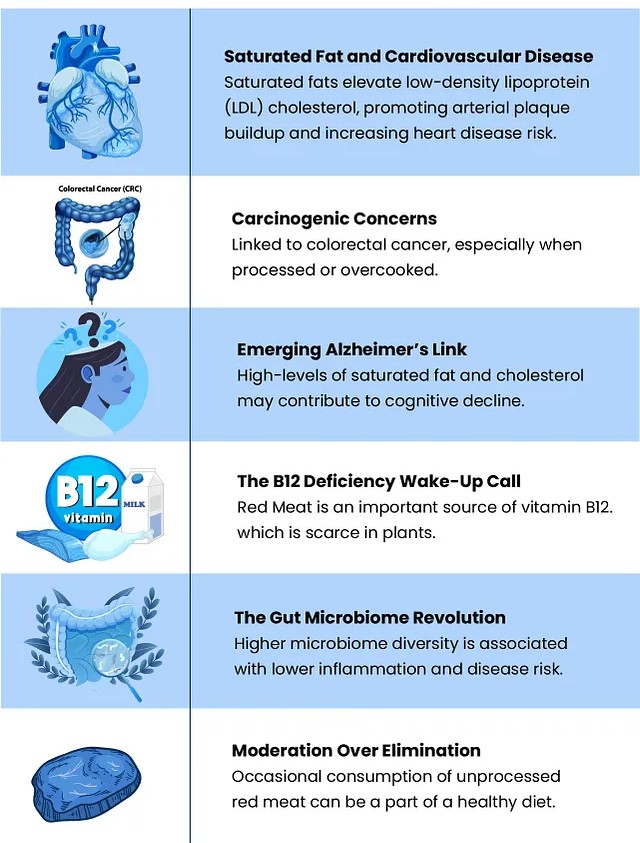
1. Saturated Fat and Cardiovascular Disease
Red meat’s saturated fat content can raise LDL (“bad”) cholesterol, contributing to arterial plaque buildup and increasing heart disease risk. Processed meats like bacon and sausages heighten this risk due to added sodium and nitrites — preservatives associated with hypertension and colorectal cancer.
2. Carcinogenic Concerns
The World Health Organization classifies processed meats as Group 1 carcinogens, linking them to colorectal cancer. Cooking red meat at high temperatures generates compounds like heterocyclic amines (HCAs) and polycyclic aromatic hydrocarbons (PAHs), both associated with DNA damage.
3. Emerging Alzheimer’s Link
Recent findings suggest a possible connection between high red meat consumption and neurodegenerative diseases. Excess saturated fat and cholesterol may increase brain inflammation and oxidative stress — both of which are contributors to Alzheimer’s pathology.
Professor Spector’s Counterargument: The Case for Balance
Tim Spector advocates a more nuanced view, focusing on moderation and personalization rather than strict elimination.
1. The B12 Deficiency Wake-Up Call
Spector’s own B12 deficiency after six years of vegetarianism highlighted red meat’s value as a natural source of this essential nutrient, vital for red blood cell formation and nervous system health. For those on vegetarian or vegan diets, B12 must be supplemented.
2. The Gut Microbiome Revolution
Microbiome research shows that gut diversity, rather than food groups alone, plays a central role in health. A study of participants with the most diverse gut microbiomes — who ate 30+ different plants weekly — showed lower inflammation and chronic disease risk. The implication? Instead of excluding red meat, focus on including plant diversity.
3. Moderation Over Elimination
Occasional consumption of lean, unprocessed red meat within a plant-rich diet may be entirely appropriate for many people. Over-restriction can lead to nutrient gaps or unsustainable eating patterns.
The Science of Personalized Nutrition
The red meat debate reflects a broader shift toward personalized nutrition — a science-based, tailored approach to diet.
1. Genetic and Metabolic Variability
People metabolize fats and process cholesterol differently based on genetics. Someone with familial hypercholesterolemia might require strict red meat limits, while others with efficient lipid metabolism may tolerate it well.
2. Gut Microbiome
Your gut microbiome significantly affects how your body reacts to red meat. A 2023 study showed that certain gut bacteria can convert red meat’s carnitine into TMAO, a compound linked to clogged arteries. Others may not have this same microbial activity, showing how responses vary person to person.
3. Cultural and Ethical Considerations
Nutrition is more than biology — it’s also cultural and ethical. Religious beliefs, traditions, and access to fresh foods all influence dietary decisions, underscoring the need for flexible, inclusive guidelines.
Navigating the Gray Areas: Practical Recommendations
So, how should individuals approach red meat amid all this complexity? Experts suggest practical, middle-ground strategies:
1. Prioritize Plant Diversity
Aim to consume 30+ types of plants per week — including vegetables, legumes, nuts, seeds, fruits, and whole grains. A diverse plant diet supports microbiome health and naturally reduces reliance on processed foods.
2. Choose Wisely
If eating red meat, choose lean, unprocessed cuts. Avoid processed versions, and pair with fiber-rich foods to slow fat absorption and protect heart health.
3. Supplement Strategically
Vegetarians and vegans should monitor key nutrients like vitamin B12, iron, and omega-3s, using fortified foods or supplements as needed.
4. Monitor Health Markers
Regularly check blood pressure, lipid levels, and inflammatory markers like C-reactive protein to assess how your body is responding to your diet.
Red Meat: A Personal Decision in a Complex Food Landscape
The debate over red meat is far from settled, but one truth stands out: there’s no universal diet that works for everyone. Genetics, microbiome health, cultural context, and individual needs all play a role in how foods affect us.
Rather than choosing extremes — like cutting out red meat entirely or eating it daily — embrace balance and flexibility. Personalize your choices using health data, scientific research, and self-awareness. Eat more plants. Stay informed. Monitor your body’s response.
In the end, the best diet is the one that works for your body and your life — not someone else’s rules.